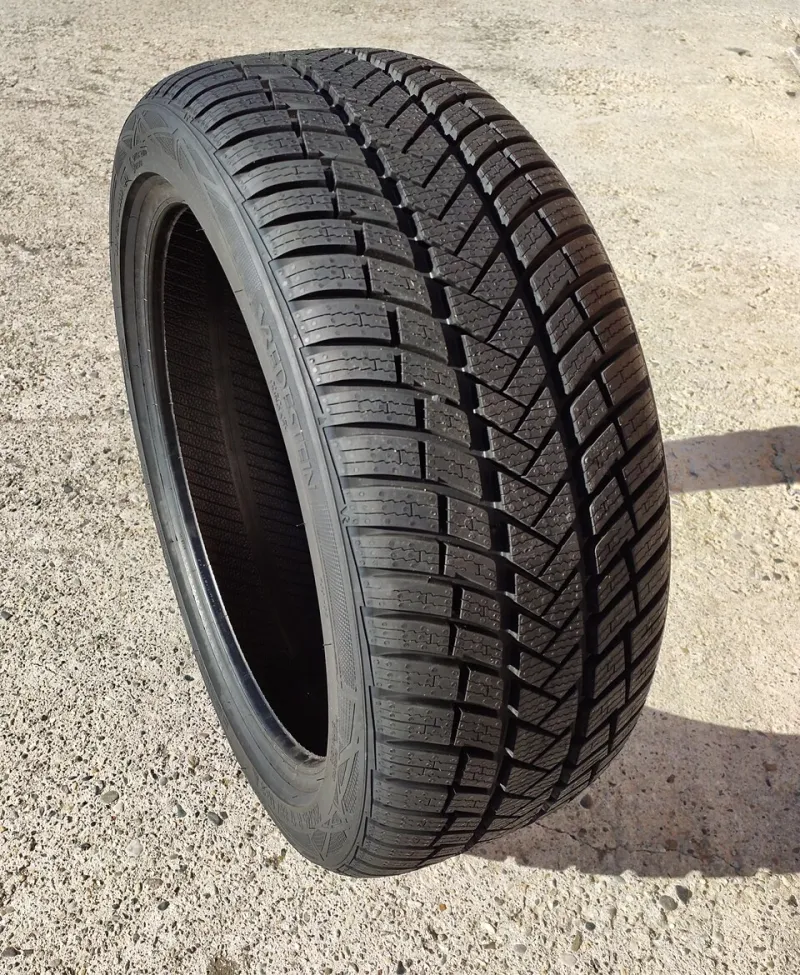
What You're Really Paying For: A $70 Tire vs. a $200 Tire, Side by Side
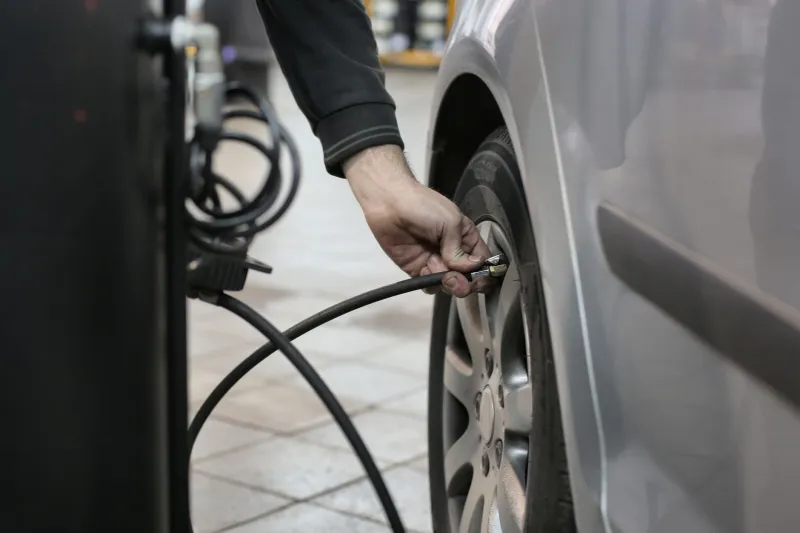
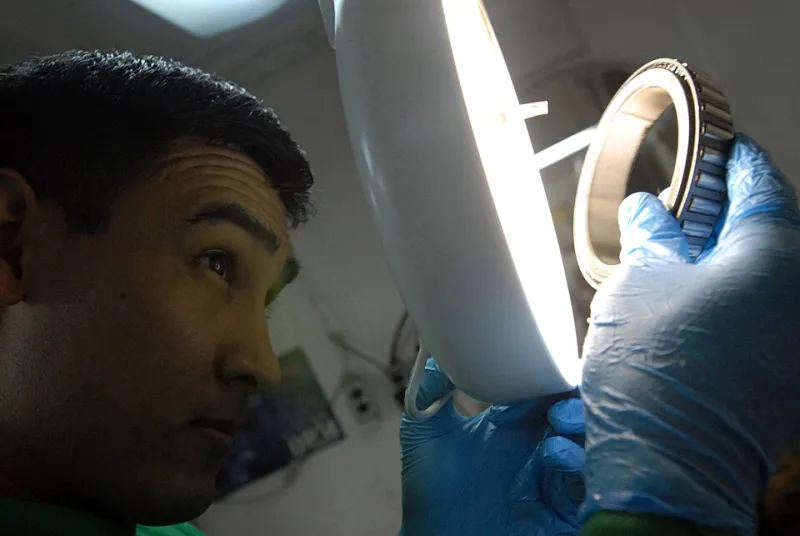
Folks ask us this at the counter all the time: "Edwin, do I really need the expensive ones?" And honestly, it's a fair question. When one tire costs $70 and its neighbor on the wall costs $200, it's natural to wonder what's going on under that rubber.
So let's do what we do best around here — lay it out straight, no upsell, no jargon. Here's where your money actually goes when you step up from a budget tire to a premium one.
The Short Version: It's Mostly About the Rubber
A tire is basically three things: the tread compound, the casing (the body of the tire), and the engineering that ties them together. Budget and premium tires often look identical rolling down the highway. The difference is hiding in the recipe.
Premium manufacturers — think Michelin, Bridgestone, Continental — pour enormous amounts into R&D. Silica-enhanced compounds, computer-modeled tread patterns, testing at track facilities in Texas and Arizona. That research shows up in one place you'll really notice: wet braking.
On a dry road, the gap between a budget and premium tire might be a car length or two from 60 mph. On a wet road, it can stretch to four, five, even more. If you've ever hydroplaned on an interstate during a summer thunderstorm, you know that distance matters.
Tread Life: The Math Nobody Does
Here's where things get interesting. A $70 tire might come with a 40,000-mile tread warranty. The $200 tire next to it? Often 70,000 to 80,000 miles.
Run the numbers over five years of average American driving — call it 12,000 miles a year:
- Budget set (4 tires): $280, replaced roughly every 3.3 years
- Premium set (4 tires): $800, replaced roughly every 6+ years
Over a decade, you're buying three sets of budget tires versus one to two sets of premium. Suddenly the price gap narrows considerably — and you've skipped two extra mounting, balancing, and disposal fees along the way.
What You're NOT Paying For
A few myths worth busting:
- You're not paying for a smoother ride, necessarily. Some premium tires are stiffer and sportier than budget touring tires. Ride comfort is more about the tire category than the price tag.
- You're not paying for better fuel economy automatically. Low rolling resistance exists at both price points. Check the tire's specs, not the sticker.
- You're not paying much for the name alone. The big brands do carry a premium, but the bulk of the cost difference is genuinely materials and testing.
So When Is the Budget Tire the Right Call?
More often than you'd think, and we'll say that plainly. The $70 tire is the honest choice when:
- You're selling the car soon. No sense funding the next owner's tread life.
- It's a low-mileage second vehicle. The truck that only hauls mulch twice a year doesn't need 80,000-mile rubber.
- Your annual mileage is low. If you drive 6,000 miles a year, tread life warranties are irrelevant — the tire will age out before it wears out.
- You need to get safely back on the road today and budget is tight. A quality budget tire beats a bald one every single time. We'll never tell you otherwise.
When the Premium Tire Earns Its Keep
- You drive a lot of highway miles, especially in rain or snow. Wet braking and hydroplaning resistance are the real story here.
- You keep vehicles a long time. Cost per mile is where premium tires quietly win.
- You've got a performance or heavier vehicle. Extra weight and speed ratings chew through cheap compounds fast.
- The tread warranty is long and the reviews are real. Check independent tests from Consumer Reports or Tire Rack before you buy — not just marketing copy.
Our Honest Take
If we had to hand you one rule of thumb, it's this: buy tires for the worst weather you'll actually drive in, and the cheapest tire that meets that bar. For a Florida driver in a commuter sedan, that might be a mid-tier tire at $95 a corner. For a Minnesota driver racking up interstate miles through January, the $200 set is cheap insurance.
And hey — if you ever want a straight answer about your specific car, your roads, and your budget, that's what we're here for. No pressure, no upsell. Just hometown service and honest tires, the way it ought to be.