The Cold-Morning Tire Light: A No-Panic Playbook for Drivers

Photo: frosty car windshield dashboard tire pressure warning light cold morning, via artisthu.com
Few dashboard lights cause more early-morning confusion than the little horseshoe with an exclamation point. You walk out, the windshield is frosted, the car starts fine, and there it is: the tire-pressure monitoring light. Before you assume a sensor died or book a shop visit, there is a good chance the weather is simply doing what weather does.
Why cold air sets off the light
Tire pressure is not a fixed number. Air contracts as the temperature drops, and a good rule of thumb is that a tire loses about 1 psi for every 10 degrees Fahrenheit of temperature decline. If your car sat outside overnight and the mercury fell 25 or 30 degrees, you could easily be down 2 to 3 psi by sunrise.
That matters because most TPMS systems are set to warn you when a tire is roughly 25 percent below the vehicle manufacturer's recommended pressure. If your door-jamb placard calls for 35 psi, the light may come on somewhere around the mid-20s. A tire that was already a little low last week can cross that line on the first genuinely cold morning of the season. The light is not necessarily broken. It is doing its job.
The two-minute check that beats guessing
Do not rely on a quick kick or a eyeball inspection. Modern tires can look fine while being several pounds low. Use a decent gauge and check the pressure before you drive, or within a mile or so of leaving home. That gives you the closest thing to a cold reading.
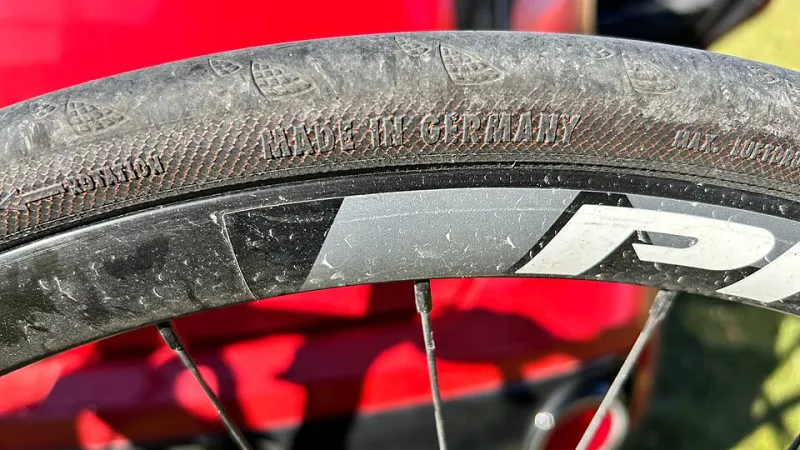
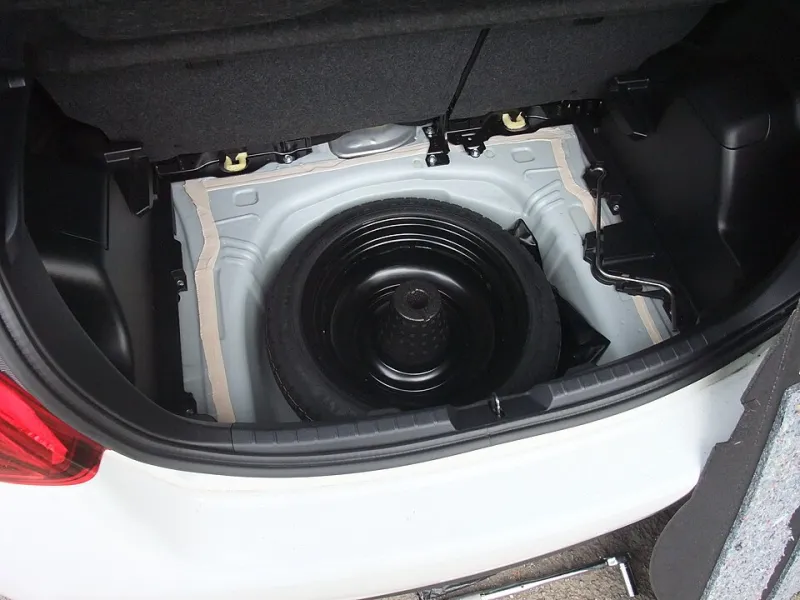
Find the recommended pressure on the sticker inside the driver's door jamb, not the number molded into the tire sidewall. The sidewall number is a maximum, not a target. Check all four tires, and check the spare if your vehicle monitors it. If one tire is noticeably lower than the others, look for a nail, screw, or valve-cap issue before you simply top it off.
Add air first, then think about a reset
If a tire is below the placard number, add air. At a gas station, use the air machine in short bursts and recheck with your own gauge, since those built-in gauges are not always kind. Fill to the recommended pressure, not to the maximum on the sidewall. If the light was triggered by a cold snap and the pressure is now correct, many vehicles will clear the warning after a short drive.
A reset should come after the pressure is right, not before. Resetting first can hide a genuine low tire or a slow leak. On some cars, the system re-learns automatically once all tires are at the correct pressure and you drive for a few minutes. On others, you need to use a button under the dash, a menu in the instrument cluster, or a specific sequence in the owner's manual. Follow that sequence exactly. If you reset while a tire is still low, the light may stay off for a while and then return at the worst possible time.
When a reset is actually the right move
There are legitimate times to reset the system: after a tire rotation, after new tires are installed, after a sensor is replaced, or when you have verified all pressures are correct and the light is still on. In those cases, the system may simply need to relearn where the sensors are. Check the manual for your vehicle's procedure, because it varies from one model to the next. Some need a short drive; some need a sequence of ignition cycles; some need a scan tool at a shop.
When the light deserves more than a shrug
A steady TPMS light usually means pressure is low. A light that blinks for about a minute and then stays on often points to a sensor or system fault. Neither one should be ignored forever, but they call for different responses.
Stop and inspect the tire if you see a bulge, a cut, a nail head, or sidewall damage. Do not drive on a tire that is visibly flat or losing air fast. If one tire keeps dropping over a few days, you likely have a slow leak that needs a proper repair. If all four tires are low again and again, you may have a gauge issue, a fill procedure problem, or simply a habit of skipping monthly checks. Sensor batteries also age, usually over seven to ten years, and cold weather can push a weak one over the edge. But do not replace a sensor until the simple pressure check has been done.
A cold-season routine that keeps the light quiet
Keep a reliable gauge in the glovebox and check pressures monthly, plus before any road trip or big temperature swing. Top off tires in the morning when they are cold, and remember that a little seasonal maintenance goes a long way. You do not need to overinflate for winter. You need the right pressure for your car, checked with a tool you trust.
If the light stays on after you have set the pressures and followed the reset procedure, or if you are not comfortable diagnosing a leak, swing by Edwin's Tires. We will check the tires, inspect the sensors, and tell you plainly whether you are looking at a five-minute fix or something that needs real attention. Cold mornings are busy enough without a dashboard mystery.