The Trunk Item That Decides Whether a Flat Becomes a Tow
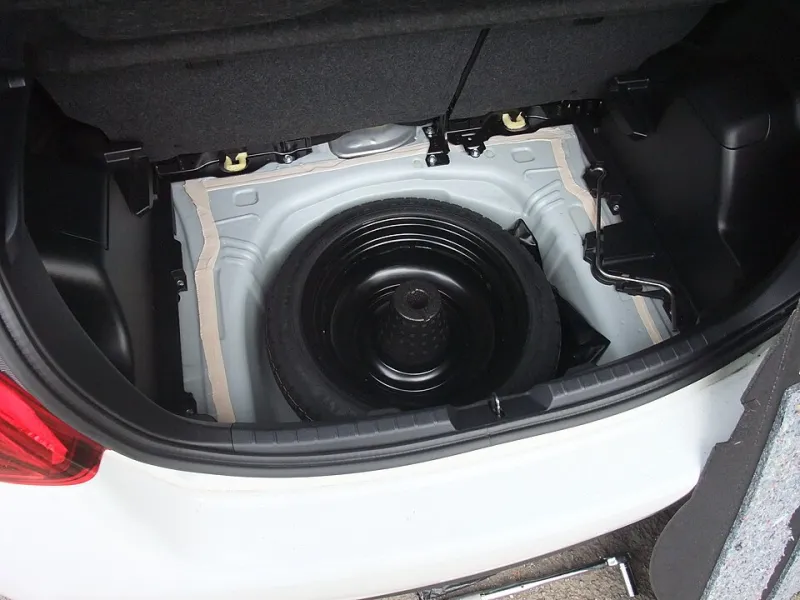
Photo: Lankyrider, CC BY-SA 4.0, via Wikimedia Commons
As of Nov. 7, 2026, most of us have a trunk full of stuff we ignore until something goes wrong. The spare tire is near the top of that list. It sits under the cargo floor, behind a plastic cover, or hanging under the back of the vehicle, quietly doing nothing. That is fine — until you hear that unmistakable thump-flap-thump on the highway and realize your backup plan may not be ready.
At Edwin's Tires, we see this all the time. Someone gets a flat, digs out the spare, and finds it soft, cracked, or missing altogether. A five-minute check in your own driveway can keep a small inconvenience from turning into an expensive tow and a long afternoon on the shoulder.
Start With the Tire Itself
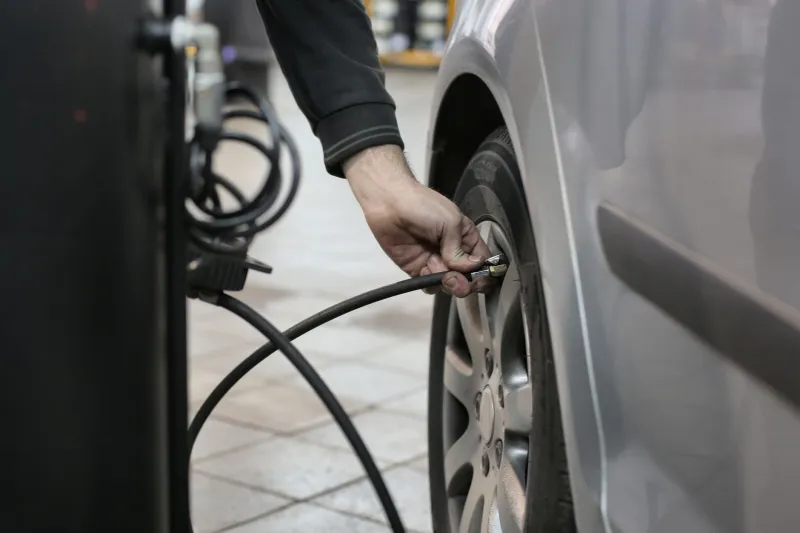
Pull the spare out or uncover it enough to get a pressure gauge on the valve stem. Do not just look at it and call it good. A tire can look perfectly fine and still be 20 pounds low.
For a full-size spare that matches your road tires, use the pressure listed on the driver's door placard. That is the same number you use for the tires on the ground. For a compact temporary spare — the skinny donut — check the sidewall. Many call for 60 psi, but not all do. Follow what is printed on that specific tire.
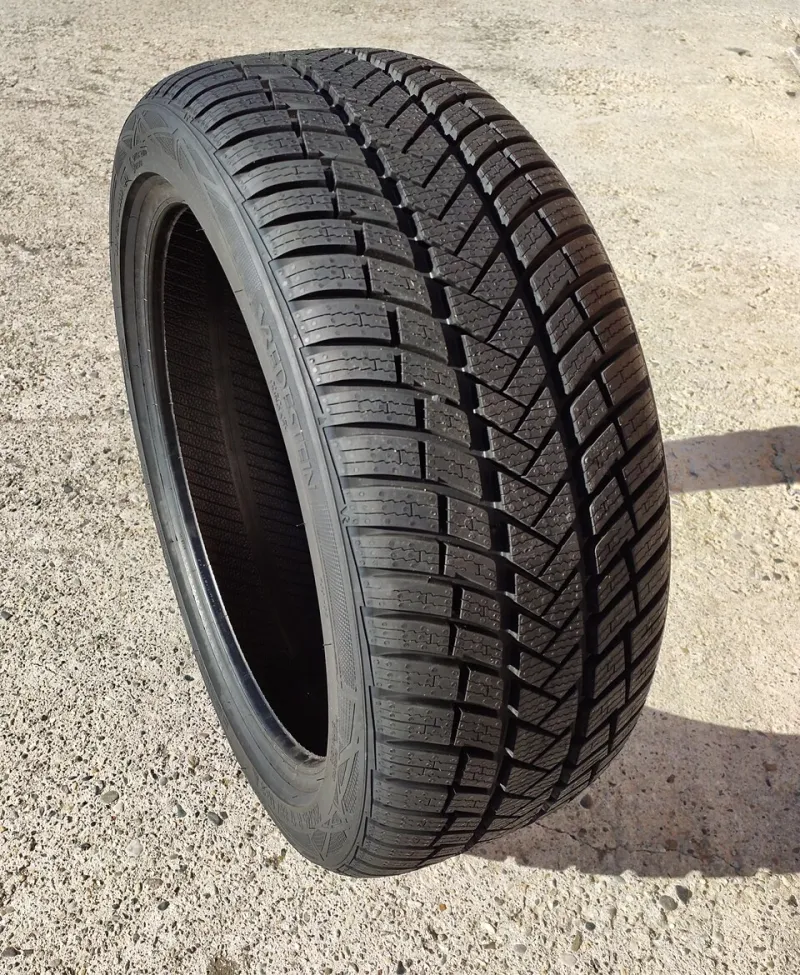
While you are there, check the date code. It is the four-digit number after the DOT letters on the sidewall. A spare that has been sitting for a decade may still have tread, but the rubber can be dried out and unsafe. Look for cracks between the tread blocks, a shiny or brittle sidewall, or a tire that has obviously been flat for a while. If it looks rough, it is not a spare anymore. It is a decoration.
The Tools Are Half the Job
A good spare tire with a useless jack is still a bad day. Take the jack out and make sure the handle turns. Scissor jacks seize up when they sit in damp trunks for years. Give it a few cranks in the driveway and listen for grinding or binding.
Check the lug wrench. It needs to fit your lug nuts, and it needs to be the right size for the spare setup. If your vehicle uses wheel locks, confirm the key is in the trunk. A lug wrench that does not fit is about as helpful as a spoon.
Make sure the jack has a solid place to sit and that you know where the jack points are on your vehicle. Those are usually marked in the owner's manual and often visible as reinforced seams under the rocker panel. Do not guess. A jack that slips can damage the car or hurt you. Throw a pair of work gloves, a flashlight, and a wheel chock or a small block of wood in the trunk while you are at it. None of that takes much space, and all of it helps when you are crouched on the shoulder of I-35 in the rain.
Know What Your Spare Can and Cannot Do
A compact spare is a get-you-home tire, not a new set of wheels. Most are limited to around 50 mph and a short distance. Check your owner's manual for the exact limits. Do not leave it on for a week because the tire shop is busy. Get the flat repaired or replaced, then put the proper tire back on.
If your vehicle has a full-size spare, treat it like a real tire. Check its pressure regularly and include it in your rotation routine if the manual allows it. On some all-wheel-drive vehicles, tire size differences matter more than people realize. A mismatched spare can cause expensive drivetrain trouble over time, so ask before you assume.
Also, some modern vehicles do not come with a spare at all. They may have a repair kit, run-flat tires, or just a can of sealant. If that is your situation, know it now. Read the kit instructions before you are stuck on the side of the road. Sealant has limits, and it can make a mess for the person who repairs the tire later. It also is not a fix for a sidewall cut or a large puncture.
A Plug Kit Is Not a Magic Wand
A tire plug kit can be a handy thing to keep in the trunk, especially for a simple nail in the tread. But it is not a permanent repair, and it is not safe for every puncture. Sidewall damage, shoulder damage, and large holes are not plug-kit territory. If you are not sure, do not force it. A failed plug can turn a repairable tire into a blowout.
If you use a plug to get to a shop, tell the technician. They can inspect the tire properly and decide whether it can be patched and plugged from the inside. That is the repair that actually holds up.
Make It a Seasonal Habit
Spare tire pressure drops when the temperature drops. A spare that was fine in July may be low by Thanksgiving. Check it when you check your regular tires, or at least once every few months. It takes less time than pumping gas.
If you find a missing spare, a seized jack, or a tire that is too old to trust, stop by Edwin's Tires. We will help you sort out a safe spare setup without a sales pitch. A few minutes in the driveway today beats a long wait on the shoulder later.