The Used-Tire Checklist That Separates a $40 Steal From a $400 Mistake
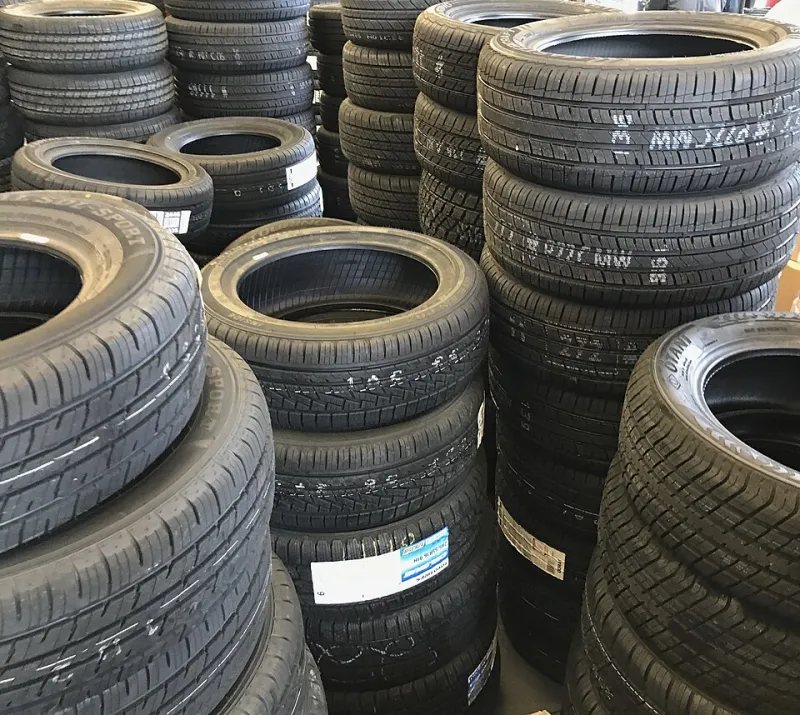
Photo: HopsonRoad (Stephen Flanders), CC BY-SA 4.0, via Wikimedia Commons
A $40 set of used tires can feel like a small victory. Four tires for less than the price of one new one? That is a real budget saver for plenty of drivers. But a used tire is only a bargain if it is still safe to put on your car. The difference between a smart buy and a safety trap usually comes down to three checks, and none of them require a fancy scanner.
At Edwin's Tires, we would rather explain those checks than talk you into something you do not need. Used tires are not automatically bad. They are simply a tool with limits. The trick is knowing where those limits are before you hand over cash in a parking lot or roll the dice on a marketplace listing.
The $40 question: cheap tire or cheap trouble?
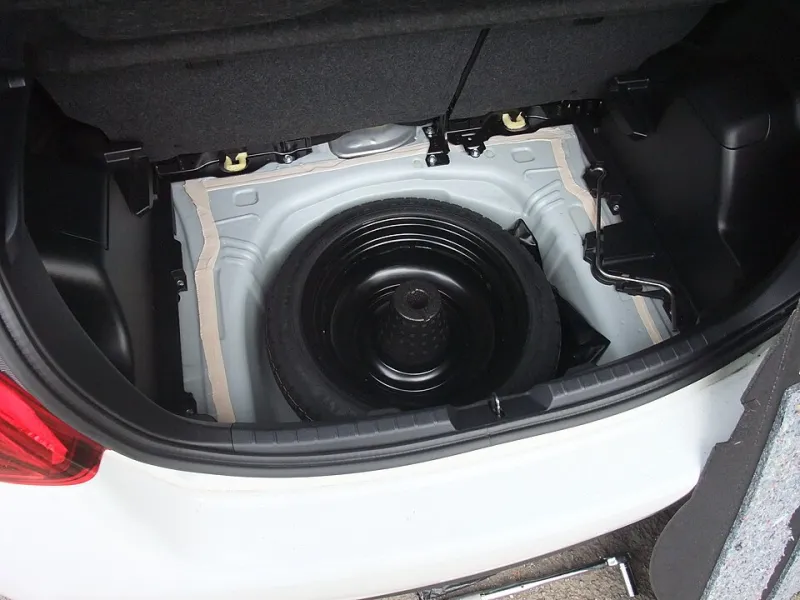
Used tires make the most sense for drivers with a clear, limited need. Maybe you need a spare that actually holds air. Maybe you drive a second vehicle only around town. Maybe one tire got damaged and you need a matching replacement without buying a full set. For low-mileage, local driving, a decent used tire from a shop that has inspected it can be a fair deal.
Used tires make less sense for long highway commutes, towing, hauling, or any vehicle that carries your family every day. They are also a poor choice if you are trying to solve a handling problem, a vibration, or uneven wear. A cheap tire will not fix a suspension issue. It will just make the next problem more expensive.
Check 1: the DOT date code is not a suggestion
Every tire has a DOT code stamped into the sidewall. The last four digits tell you the week and year it was manufactured. If the code ends in 2318, that tire was built in the 23rd week of 2018. That is useful information in 2026, because a tire that looks fine can still be old enough to deserve a hard look.
Rubber ages even when tread remains. Heat, sunlight, ozone, and time all take a toll. Many tire manufacturers recommend replacement somewhere in the six-to-ten-year range depending on conditions, and plenty of shops will not service a tire that is clearly past its useful life. If a seller cannot show you the date code, or the code is hard to read, that is a reason to slow down.
Check all four tires, not just the one facing you. A set can be a mix of ages. A 2022 tire and a 2016 tire are not the same purchase, even if they have similar tread depth.
Check 2: sidewall and tread condition
Start with the sidewall. Look for cracks, cuts, bulges, and scrapes deep enough to expose cords. A bulge is not cosmetic. It means the internal structure has been damaged, and that tire should not be on the road. Check the bead area too, where the tire seats on the wheel. Gouges or tears there can cause leaks or worse.
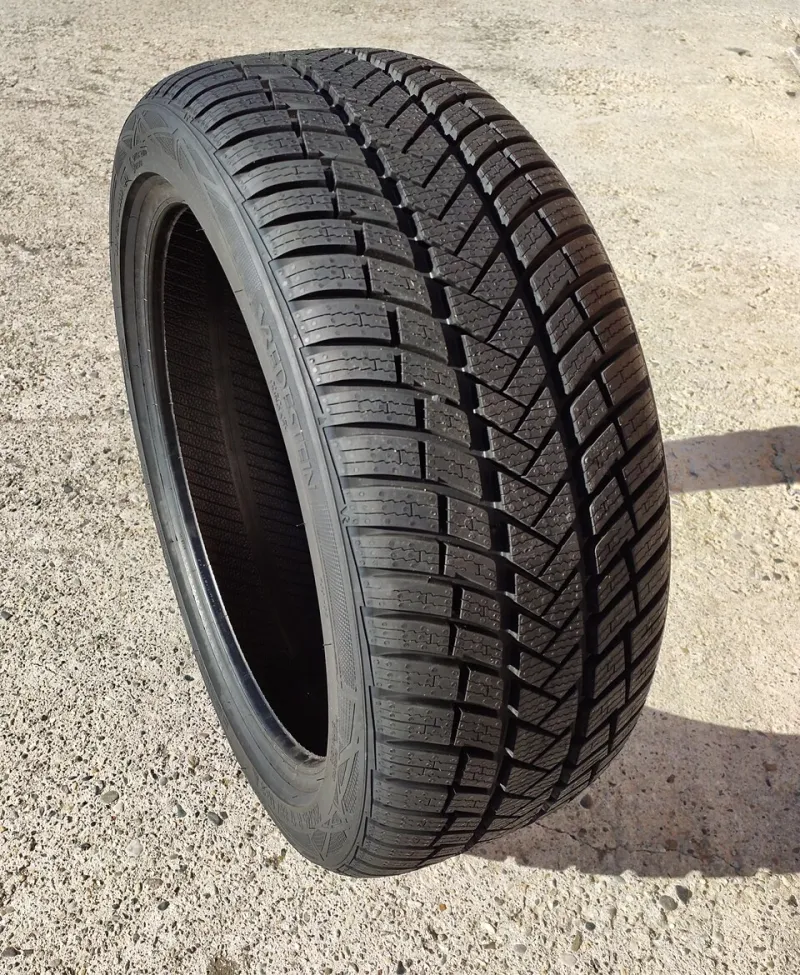
Then look at the tread. You want even wear across the face of the tire. If one edge is bald and the other is deep, that tire came off a vehicle with an alignment or suspension problem. It may still hold air, but it is not a clean used tire. Run your hand across the tread and feel for cupping, choppiness, or exposed cords. Use a flashlight. Tread depth gauges are cheap, but your eyes and fingers will catch a lot.
Repairs matter as well. A proper internal patch or patch-plug repair in the tread area can be fine. A plug jammed into a sidewall is not. Multiple repairs close together, or any repair you cannot identify, should make you walk away. Retreads are rare on passenger cars, but if you see a retread stamp or the seller cannot explain the tire's history, do not treat it like a normal used tire.
Check 3: match the tire to the car and the axle
A used tire still has to be the right tire. Check the size, load index, and speed rating against what your vehicle requires. Ideally, tires on the same axle should match in size, construction, and tread pattern. On all-wheel-drive vehicles, mismatched tire diameters can put strain on the drivetrain. That is a costly mistake hiding behind a low price.
Ask where the tire came from and why it was removed. You may not get a perfect answer, but a shop that handles used tires should be able to tell you whether it has been inspected, whether it holds air, and whether there is any warranty. A private seller with a stack in the driveway may be perfectly honest, but you are the one taking the risk.
When a used tire is a smart buy
A used tire can be a good call when you need a short-term solution, a spare, or a budget-friendly replacement for a low-mileage second vehicle. It can also work when you find a quality brand in the right size with good tread and a clean sidewall. In those cases, the savings are real.
Just remember that the sticker price is not the whole price. Mounting, balancing, valve stems, and disposal can add up. A $40 tire that needs $30 of service is still a $70 tire. Compare that with a new tire that comes with a warranty and a known history.
When to walk away
Walk away from sidewall damage, bulges, exposed cords, deep cracks, or uneven wear that suggests a bent suspension. Walk away from tires with unclear repairs, sidewall plugs, or a date code you cannot read. Walk away from a seller who will not let you inspect the tire or who pressures you to decide on the spot.
A used tire is not a moral failure. It is a calculated purchase. The calculation just has to include safety, not only price. If a deal feels too good to be true, it usually is. If a shop is willing to explain the date code, show you the wear, and tell you what it would and would not put on its own family car, that is a good sign.
At Edwin's Tires, honest tires and fair prices start with honest information. Ask questions. Look at the codes. Check the sidewalls. A little inspection today can save you a lot of roadside trouble later.