The Four Digits That Tell You a Tire's Real Age (Before You Pay for 'New')
Photo: Wiki.cullin, CC0, via Wikimedia Commons
Here's a phrase that makes a tire shop owner flinch just a little: 'But they're brand new.' Sometimes they are. Sometimes they've been sitting on a rack since the last presidential administration, looking perfectly black and round the whole time.
Tires don't come with a sell-by sticker on the tread. They come with a manufacturing code pressed into the sidewall — four digits that tell you the week and year the tire was built. Learn to read them and you'll never get surprised by old rubber again.
Where the date code hides
Start by walking around the tire and finding the letters 'DOT.' On most tires, that stamp is followed by a string of letters and numbers that identify the plant, the tire size, and the manufacturer's internal codes. The part you care about is at the very end: four digits, usually set slightly apart.
One catch: the full DOT code is often only on one side of the tire. The outside face may show a shorter version or nothing at all. If you can't find the four digits on the outside, look at the inner sidewall. On a tire already mounted on the car, that may mean peeking behind the wheel or asking a shop to put it on a lift.
How to read those four digits
The last four numbers are the week and the year. A tire stamped '2322' was made in the 23rd week of 2022. A tire stamped '0126' rolled out in the first week of 2026. The first two digits are the week — 01 through 52 — and the last two are the year.
Older tires made before 2000 used a three-digit code, but you're unlikely to run into that on anything you'd buy for a daily driver today. If you do see three digits, treat it as ancient history and keep walking.
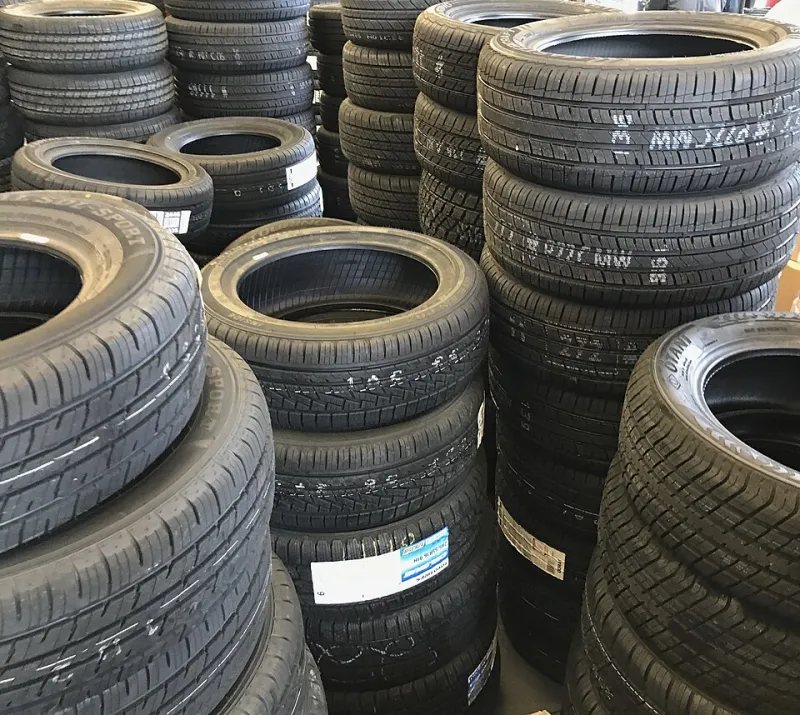
So why does this matter? Because 'new' at the tire store usually means 'never mounted,' not 'made last month.' A tire can sit in a warehouse, a distributor's trailer, or a back room for a year or two before it ever touches a wheel. That's not automatically a disaster — but you deserve to know what you're buying.
Why tread depth isn't the whole story
We're all trained to check tread. Stick a penny in the groove, look at the wear bars, replace when the tire looks bald. That's good advice, but it only measures how much rubber is left. It says nothing about how healthy the rubber is.
Rubber ages from the inside out. The compounds that keep a tire flexible and grippy slowly change over time, even if the car barely moves. A tire with 9/32nds of tread and a 2018 date code can look great on the rack and still be a poor bet for highway speeds, rain, or a loaded family SUV.
There's no federal expiration date for passenger tires in the US. But most tiremakers and safety organizations point to the six- to ten-year range as the outer limit for service, with a close annual inspection once a tire passes five years. Different manufacturers publish different guidance, so the honest answer is: check the date, then check with the tiremaker if you're unsure.
Heat, sunlight, and the spare in your trunk
Age isn't just a calendar thing. Heat speeds up the process. So does sunlight, ozone, and sitting in one spot for months. A tire that lived in a hot climate, parked outside, and spent years at low pressure is going to age faster than the same tire kept in a cool, dark warehouse.
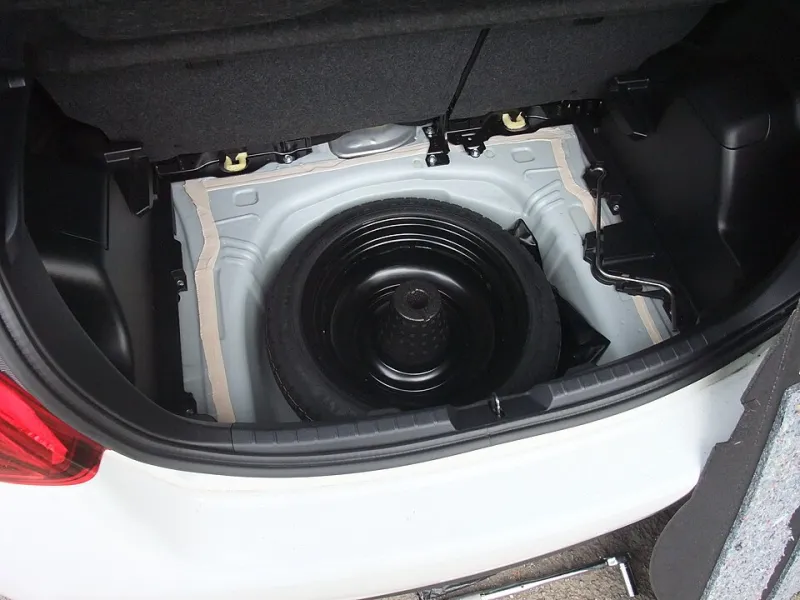
That's why the spare tire deserves a look too. Full-size spares get forgotten for a decade and then get pressed into service on the shoulder of I-95. Check the date code back there. If it's older than the rest of the set, don't assume it's a free pass just because the tread looks untouched.
What to ask before you buy
You don't need to be a tire engineer to protect yourself. You just need to ask a few direct questions — and a good shop will answer them without getting weird about it.
- 'Can I see the date code on the tires you're installing?'
- 'Are these the newest stock you have in this size?'
- 'If they're older than a year or two, is there a discount?'
- 'How were they stored before they got here?'
- 'When does the road hazard warranty start — from the purchase date or the manufacture date?'
If a shop won't let you inspect the sidewall, that's your answer. At Edwin's Tires, we'd rather show you the four digits than have you find them later and wonder what else we didn't mention.
When walking away is the right call
For a daily driver, a tire already past six years old is a hard sell. Past eight or ten, it's a no for anything that sees highway speed. If you're buying used tires, the date code matters even more — a $40 tire with 2016 stamped on it isn't a bargain, it's a roadside wait looking for a place to happen.
A slightly older tire can make sense for a trailer, a farm vehicle, or a slow-speed spare if the price reflects it and you understand the tradeoff. But that's a conversation, not a surprise.
The bottom line
Tread depth tells you how much tire you have. The DOT date code tells you how old it is. You need both numbers to make a smart call. Before your next set goes on, find those four digits, read them out loud, and ask yourself whether you'd trust them under your family at 70 mph. If the answer is no, walk away. There are plenty of fresh tires out there.